
Most UAE job scams follow the same pattern: someone promises a job or a visa, then asks you to pay first. Genuine UAE employers pay for your visa and recruitment costs, so any request for a visa fee, processing fee or deposit is a warning sign.
In 2026, scammers are becoming smarter. They use fake emails, WhatsApp messages, social media ads, and even professional-looking websites. Many job seekers lose money, time, and hope because they do not know how these scams work.
In this article, you will learn:
The most common job scams in UAE in 2026
How scammers target job seekers
Clear warning signs to watch out for
Step-by-step ways to avoid fake job offers
What to do if you are already scammed
This guide is meant to protect you and help you focus only on real, legal job opportunities.
Why Job Scams Are Increasing in the UAE
The UAE is one of the top job destinations in the world. People from many countries apply daily for jobs in Dubai and other emirates. This high demand creates opportunities not only for employers but also for scammers.
Several factors are causing the rise in job scams in UAE:
High unemployment pressure in some regions
Job seekers applying without verification
Heavy use of WhatsApp, Telegram, and social media
Fake recruitment agencies pretending to be legal
Lack of awareness about UAE hiring laws
Scammers target people who are new to the UAE job market or urgently looking for work. Understanding this reality helps you stay alert from the start.
How Job Scams in UAE Usually Work
Most job scams follow a predictable pattern. First, scammers post attractive job ads. These ads usually promise high salaries, quick hiring, and easy requirements. Then they ask job seekers to contact them privately.
Once you respond, the scammer builds trust. They may use professional language, fake company names, and even fake offer letters. Finally, they ask for money or personal documents.
Knowing this pattern is the first step in learning how to avoid job scams in UAE.
Common Job Scams in UAE You Must Know in 2026
Below are the most common job scams in UAE that job seekers continue to face. Each one is explained clearly so you can identify and avoid it.
1. Visa Processing Fee Scam
This is the most common and dangerous job scam in UAE.
The scammer offers you a job and then says:
“You are selected.”
“Pay visa processing charges.”
“Company will refund after joining.”
In reality, no genuine UAE employer asks candidates to pay for work visa processing.
Once you pay:
Communication stops
The job disappears
The company turns out to be fake
How to avoid this scam
If anyone asks you to pay for:
Work visa
Medical test
Stop immediately. Real employers cover these costs.
2. Fake Recruitment Agency Scam
Some scammers pretend to be recruitment agencies operating in UAE. They use professional-looking logos and names to appear genuine.
They invite you for an interview and then ask for:
Registration fee
Profile activation fee
Job placement fee
In UAE, charging job seekers to get jobs is illegal.
How to avoid this scam
Before trusting any recruitment agency:
Check if it is licensed in UAE
Verify office address and trade license
Look for real online reviews
Never pay registration or placement fees. Before you deal with any agency, check its MOHRE licence.
3. WhatsApp and Telegram Job Offer Scam
Many job scams in UAE start on WhatsApp or Telegram.
You receive messages like:
“Congratulations, you are selected.”
“Your CV was shortlisted.”
“Immediate hiring, high salary.”
Most of the time, you never applied for that job.
These scammers:
Use personal mobile numbers
Avoid official email communication
Push you to act fast
How to avoid this scam
A real recruiter:
Contacts you through email or LinkedIn
Uses a company email domain
Does not pressure you
Random WhatsApp job offers are a major red flag.
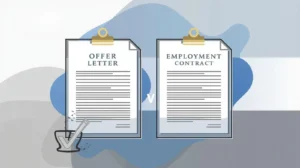
4. Fake Interview and Offer Letter Scam
This scam looks very professional.
You may:
Attend an online interview
Receive an offer letter with company logo
See salary, job title, and benefits
After that, they ask for money to complete:
Medical tests
Visa processing
Document verification
How to avoid this scam
Always verify:
Company website
Official email domain
Office phone number
Call the company directly using contact details from their official website.
5. Paid Training or Course Scam
Some scammers say:
“You are selected, but training is mandatory.”
“Pay training fees to start work.”
After payment:
Training is poor or useless
Job never starts
In the UAE, employers train employees after hiring, not before.
How to avoid this scam
No genuine job requires paid training before joining.
6. CV and Data Collection Scam
Some scams do not ask for money immediately. Instead, they collect personal data.
They ask for:
Passport copies
Emirates ID copies
CV and personal details
Later, this data may be:
Sold
Used for fake applications
Used for identity fraud
How to avoid this scam
Never share sensitive documents unless:
You verified the employer
You are officially hired
7. Social Media Job Scams
Fake job posts are common on:
Facebook groups
Instagram pages
Comment sections
They often promise:
Direct company hiring
No interview
Quick joining
Most are fake.
How to avoid this scam
Use social media only for networking. Apply through official company websites or trusted job portals.
Warning Signs You Should Never Ignore
No matter how attractive a job looks, walk away if you see these signs:
Request for money
Unrealistic salary offers
No company address
Only WhatsApp communication
Poorly written job description
Pressure to decide quickly
One red flag is enough to stop.
Step-by-Step Guide: How to Avoid Job Scams in UAE in 2026
Here is a simple and effective process every job seeker should follow.
Step 1: Research the Company
Check:
Official website
Google Maps location
LinkedIn page
No online presence means high risk.
Step 2: Verify Contact Details
Ensure communication is through:
Official company email
Verified phone numbers
Free email accounts are suspicious.
Step 3: Never Pay for a Job
This rule has no exceptions in UAE.
Step 4: Apply Through Trusted Platforms
Use:
Company career pages
LinkedIn
Reputable UAE job portals
Avoid random links and messages.
Step 5: Take a Second Opinion
Before making any decision:
Ask someone working in UAE
Consult a trusted friend
A second opinion can save you from a scam.
What to Do If You Already Fell for a Job Scam
If you already faced a job scam:
Stop communication immediately
Do not send more money
Save all messages and proof
Report the case to cybercrime authorities
Do not feel ashamed. Scammers are professional, and awareness is the solution.
Why Awareness Is Your Strongest Protection
The UAE government takes job scams seriously. However, prevention is always better than recovery.
When you understand common job scams in UAE and how to avoid them in 2026, you:
Protect your money
Save your time
Reduce stress
Focus on real opportunities
Smart job searching is safe job searching.
Verify the Agency and Company Before You Reply
A professional-looking office, an address near Abu Hail metro station, or a meeting room near a Dubai Metro stop does not prove an agency is genuine. Scam job offices may use temporary rooms or shared business centres, while a fake recruitment agency may imitate a legitimate business or send candidates to a location that disappears days later. These signs are warnings, but they are not conclusive evidence by themselves.
Don’t label every agency near a metro station as fraudulent. An office or listing near Abu Hail metro station still requires licence verification. When checking recruitment agencies in Dubai, review the business, licence, and job offer separately.
Check The Agency’s MOHRE Status
Ask a private recruitment agency for its current MOHRE license number for its Private Employment Office. Don’t rely on a screenshot. A copied licence image can look real.
Use MOHRE’s official channels to verify the number and confirm that the details match the agency’s legal name. For domestic worker recruitment, deal only with MOHRE-approved recruitment offices and Tadbeer service centres, not social-media agents offering “quick visa” packages.
MOHRE and the Telecommunications and Digital Government Regulatory Authority shut down 77 social-media accounts involved in unlicensed domestic worker recruitment during the first half of 2025. That is a reminder that a popular page, many followers, and daily job posts are not proof of approval.
Check The Offer And The Employer
A proper UAE job offer should come through the official MOHRE system and include a serial number and barcode. Ask for the offer number, then use the MOHRE inquiry service or contact MOHRE on 600590000 to verify it.
Next, begin trade license verification with an exact-name search. Use the National Economic Register and the relevant emirate’s economic development authority. A Dubai employer should have an active company trade license, while Abu Dhabi businesses should have an active Abu Dhabi licence. Check a free-zone employer through the relevant free zone registry where available. Compare the exact legal name, spelling, and status. A one-word difference from the offer letter is not a small detail.
Call the employer using public contact details on its official website. Ask to speak with the HR department and confirm the recruiter’s name, job title, and vacancy. If the company says it has never heard of the recruiter, save the messages and stop contact.
FAQs – Job Scams in UAE
Q1: Are all WhatsApp job offers fake?
Not all, but most scams start on WhatsApp. Always verify.
Q2: Is it legal for agencies to charge job seekers in UAE?
No. Charging candidates for jobs is illegal.
Q3: Can employers ask employees to pay visa costs?
No. Employers are responsible for work visa costs.
Q4: How can I verify a UAE company?
Check its website, trade license, and Google Maps location.
Q5: What should I do if a job offer looks suspicious?
Do not respond or pay. Verify first.
Q6: Are job scams expected to increase in 2026?
Yes. Online scams are increasing, so awareness is essential